


Minoxidil, often recognized under the brand name Rogaine, is a household name when it comes to combating hair loss. But did you know that this miracle hair solution had an entirely different purpose in its early days? The history of Minoxidil, how it actually ‘works’, potential drawbacks, and why it may not be the ultimate remedy for everyone.
Minoxidil’s Origins: Blood Pressure Medication Turned Hair Savior
Believe it or not, Minoxidil’s journey began as a medication for high blood pressure, hypertension. Originally, it was designed to help control blood pressure by relaxing blood vessels. However, a serendipitous discovery altered its course forever. Researchers observed that patients taking Minoxidil experienced unexpected hair growth as a side effect. This unexpected twist led to Minoxidil’s transformation into a prominent hair loss treatment.
How Minoxidil Works: The Blood Flow Boost
One of Minoxidil’s primary mechanisms of action is its ability to temporarily increase blood flow to the hair follicles. By dilating blood vessels, it enhances the delivery of vital nutrients and oxygen to the hair roots. This boost in circulation potentially stimulates hair growth, albeit temporarily. It’s essential to grasp that the effects of Minoxidil aren’t long-lasting, necessitating continuous use to sustain the results.
The Dark Side: Negative Side Effects
Like many medications, Minoxidil carries a set of potential drawbacks:
Scalp Irritation: A common side effect is scalp irritation, which can manifest as itching, redness, or discomfort. This side effect can be bothersome, although it’s typically not severe.
Dependency: Once you commence using Minoxidil, discontinuing its use can result in the loss of newly grown hair. This means that it often becomes a long-term commitment. Rogaine requires continuous, long-term use to maintain results.
DHT Unaffected: Minoxidil doesn’t address the root cause of most hair loss, which is the hormone dihydrotestosterone (DHT). It doesn’t inhibit DHT production, making it less effective for hair loss types associated with high DHT levels.
Women and Minoxidil: Different Experiences
Minoxidil can be used by both men and women, but there are differences in the experience:
Men: Men often use a higher-strength Minoxidil formula (5%) due to male-pattern baldness.
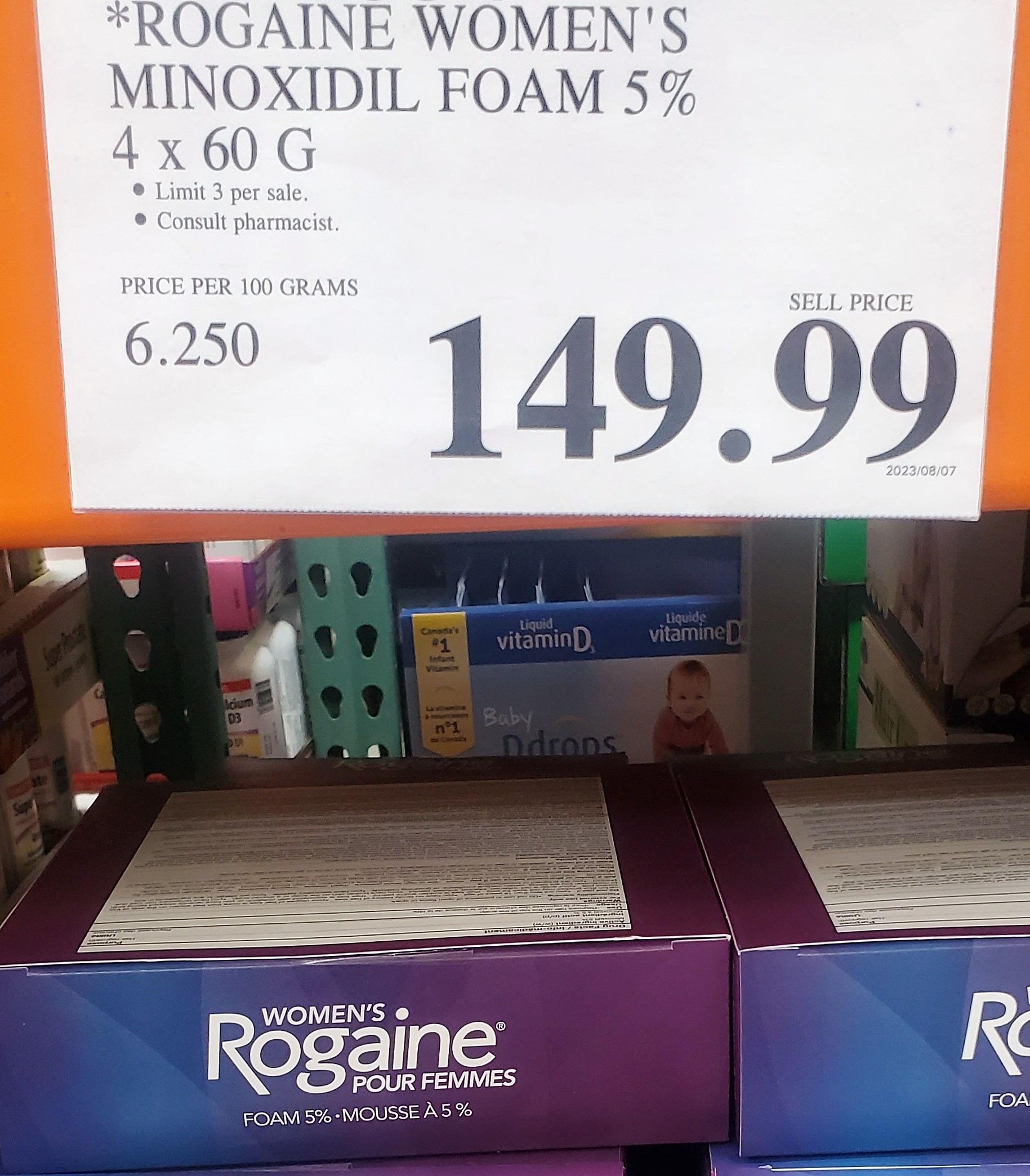
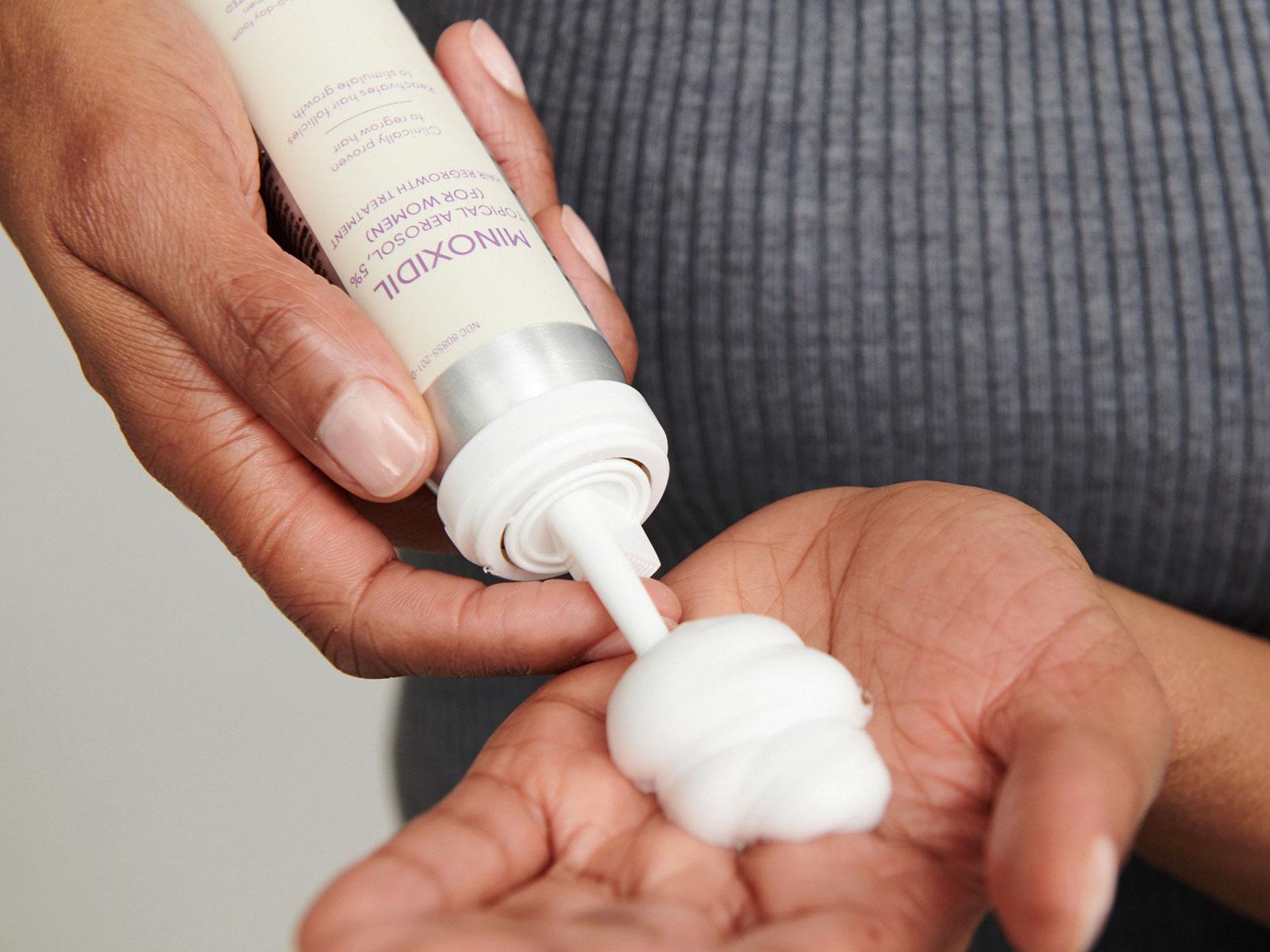
Women: Women generally use a lower-strength formula (2%) because the stronger version may not be safe or effective for them. Women may also encounter different side effects. Formulations of 5% are now being marketed to women.
Heart Palpitations: are reported as a side effect.
Scalp Irritation: Some women may experience mild scalp irritation, redness, or itching.
Unwanted Hair Growth: Rogaine can lead to the growth of hair in unintended areas of the face or body. Including arms and face.

Increased Shedding: When starting Rogaine, some women may experience an initial increase in hair shedding. This can be alarming but is often a sign that the hair follicles are transitioning from a resting phase to a growth phase. Hair regrowth typically follows.
Contact Dermatitis: Although uncommon, some women may develop contact dermatitis as an allergic reaction to the product. Symptoms can include redness, rash, or swelling of the scalp.
A Chemical Solution
It’s essential to recognize that Minoxidil is a chemical-based solution. While it can deliver results for some, it may not align with everyone’s preference for a more natural approach to hair care.
Minoxidil is a synthetic compound, which means it is not derived from natural sources but is instead chemically synthesized.
In conclusion, Minoxidil has come a long way from its origins as a hypertension medication, and it has assisted many individuals in regaining confidence through hair growth. However, it’s not without limitations and potential side effects. When contemplating Minoxidil, consulting with a healthcare professional is crucial. It’s also advisable to explore other hair loss solutions that may address the underlying causes more effectively, especially if DHT is a significant factor in your hair loss. Keep in mind that the best solution can vary greatly from person to person, and the journey to healthy hair often involves a combination of treatments and lifestyle adjustments.
In Summary:
- It’s a chemical
- It does not address the underlying cause of hair loss or excessive hair fall
- It has significant side effects
- Requires long term use or hair loss will resume, including anything temporarily gained
- Its expensive
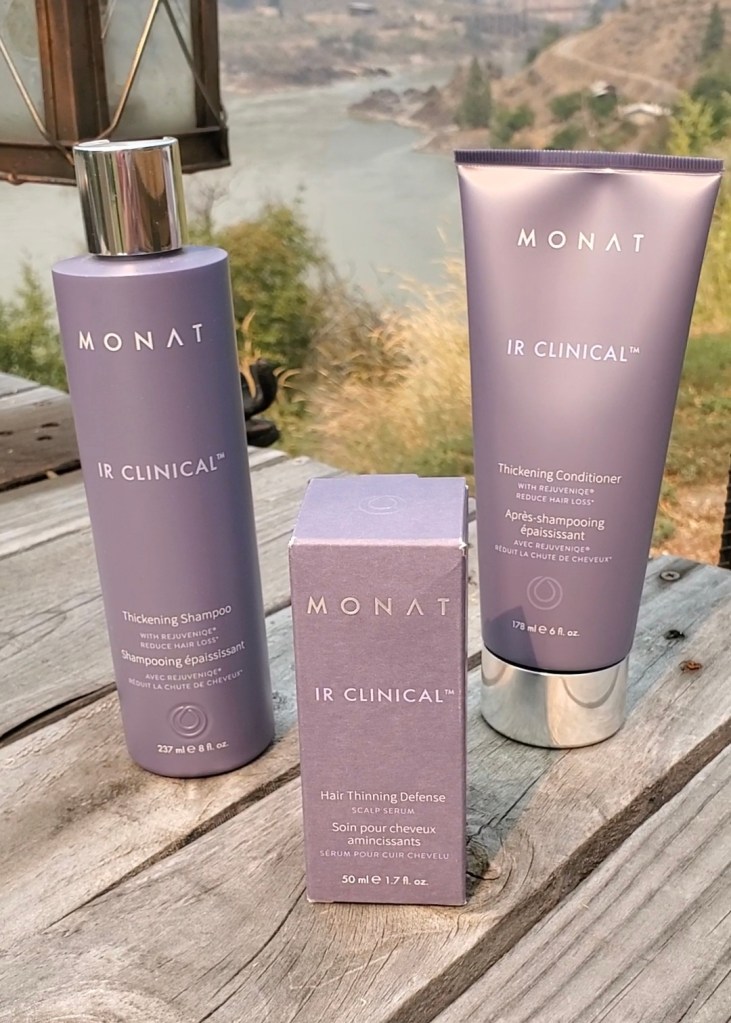
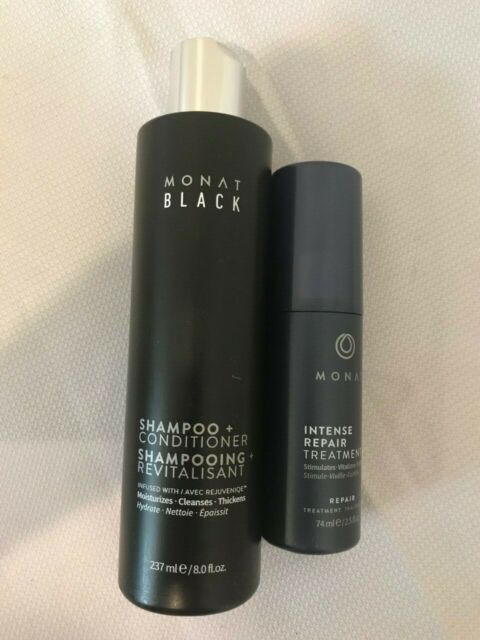
- I have a better solution. That works. That is affordable. That addresses the cause
- Just saying <3 Need advice? Let’s talk.

 Spa By Camille
Leave a comment