


Most of us were raised to fear the sun. Dermatologists and beauty brands have told us for decades that slathering on sunscreen is the only way to protect against skin cancer and premature aging. But what if some sunscreens are doing more harm than good?
Conversation has started to shift, and we begin to question whether chemical sunscreens are as safe—or as beneficial—as we’ve been led to believe.
New studies suggest that chemical sunscreen ingredients like oxybenzone and octocrylene may increase free radical damage, potentially accelerating skin cancer rather than preventing it. These chemicals are also endocrine disruptors, playing with hormones and causing all kinds of imbalance.
Avoiding the sun entirely robs us of vital health benefits, like vitamin D, healthy circadian rhythms, and mood‑boosting sunlight.
So what’s really happening to our skin when we are in the sun?
The Hidden Dangers in Your Sunscreen
Many commercial sunscreens rely on chemical UV filters like:
- Oxybenzone
- Octinoxate
- Octocrylene
- Homosalate
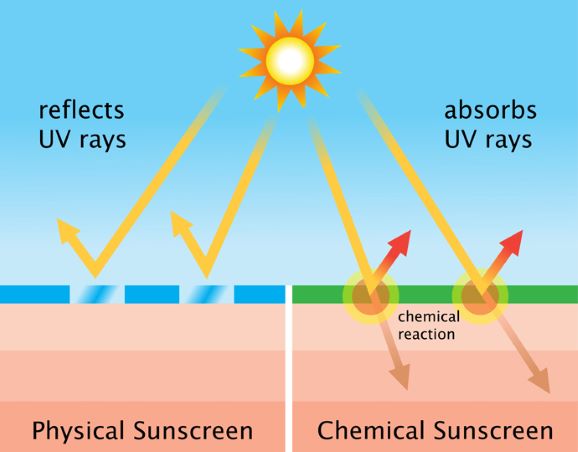
While these chemicals rely on an actual chemical reaction to absorb UV radiation, studies have raised red flags:
- Hormone Disruption – Oxybenzone, in particular, has been linked to endocrine disruption, which can affect fertility and hormone balance.
- Skin Absorption – FDA studies have shown that these chemicals are readily absorbed into the bloodstream after just one application.
- Possible Cancer Acceleration – Some studies have suggested that certain sunscreen ingredients, especially oxybenzone and octocrylene, can generate free radicals when exposed to sunlight, which may paradoxically damage DNA and increase skin cancer risk over time.
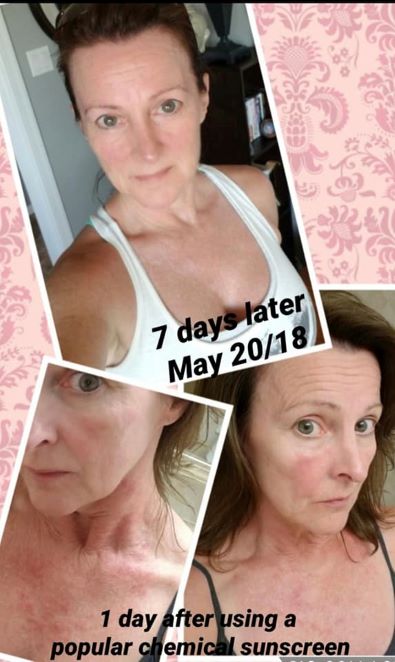
- Reactions – My personal experience tells me this is not rare. In fact, chemical sunscreens can give you the actual opposite effect than what you are seeking. Burning, flaming, itchy, red, burned skin. That’s my sunscreen experience.
These chemicals harm the environment, contributing to coral reef destruction, prompting bans in Hawaii and other eco‑conscious destinations.
Sunscreen Isn’t the Only Way to Protect Your Skin
You don’t need to avoid the sun completely. Instead, focus on barrier methods and non‑toxic sunscreens:
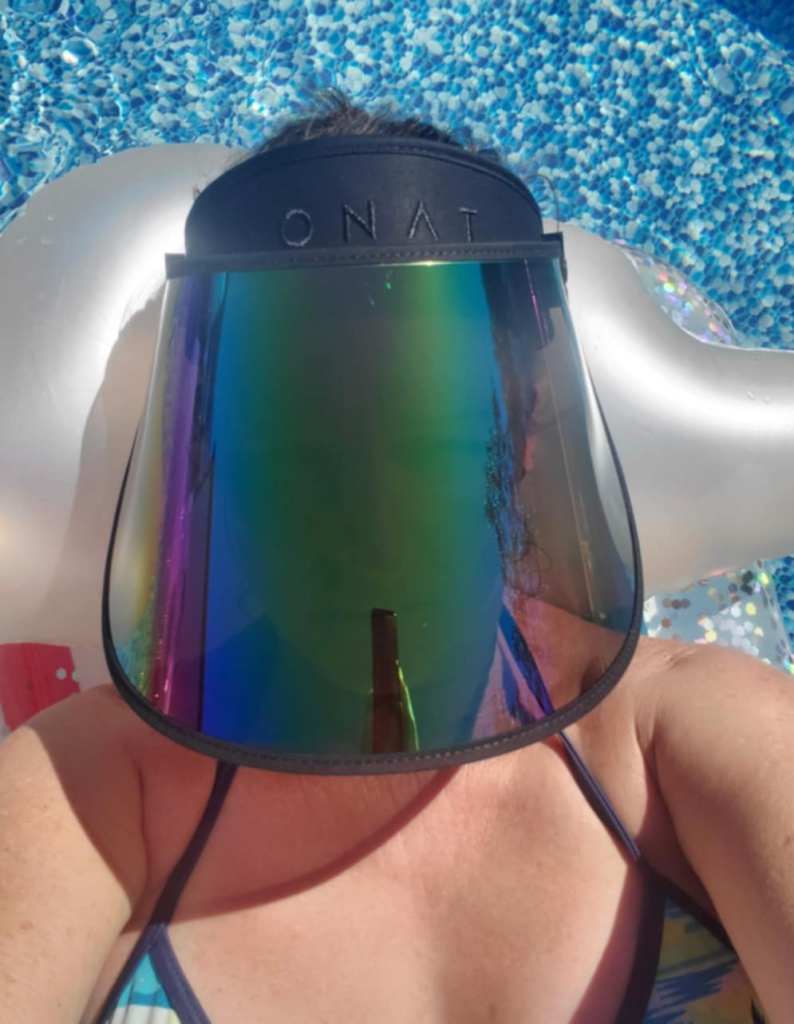
- Wide‑brimmed hats and lightweight, long‑sleeved clothing
- Seeking shade during peak UV hours (10 a.m.–2 p.m.)
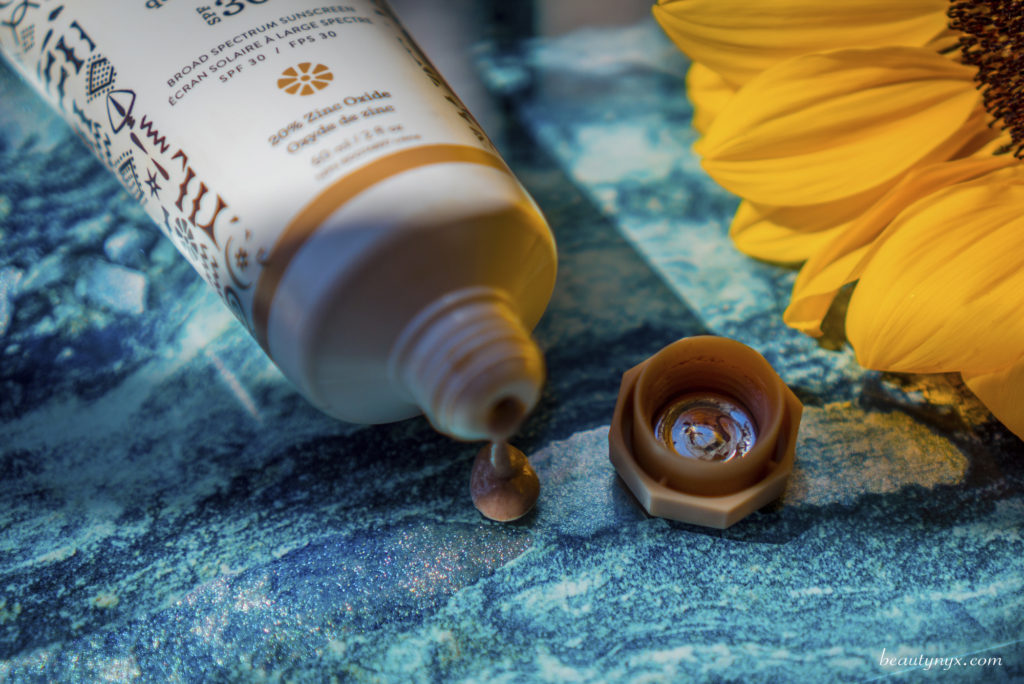
- Mineral sunscreens with zinc oxide or titanium dioxide—which reflect UV rays instead of absorbing them
Enjoy the sun without coating your skin in harmful chemicals, which breakdown into harmful compounds in sunlight.
The Sun: Is Your Friend
Here’s the part that’s often left out of the sunscreen marketing campaigns: human beings need sunlight to thrive! The sun isn’t a villain – its a life giver! We need the sun!
1. Vitamin D Production
Your skin produces vitamin D when exposed to UVB rays. This vitamin is critical for:
- Bone health
- Immune function
- Hormone regulation
Constant sunscreen use can block up to 90% of vitamin D production, leading to deficiencies linked to autoimmune disease, depression, and even increased cancer risk.
2. Circadian Rhythm Regulation
Sunlight, especially in the morning, helps set your internal clock. Exposure to natural light signals your body to wake up, improve mood, and regulate hormones like melatonin and cortisol. Avoiding the sun can disrupt this rhythm and lead to fatigue, insomnia, and hormonal imbalance.
3. Mood and Mental Health
Sunlight triggers the release of serotonin, the “feel-good” neurotransmitter. No wonder so many of us feel down in the winter months when daylight is scarce.
The Dark Side of Overprotection
Ironically, the fear of the sun—and our reliance on chemical sunscreens—may be harming human health:
- Blocking vitamin D → Weaker bones and immune system
- Disrupted circadian rhythms → Poor sleep and hormonal issues
- Absorbing toxic chemicals → Potential endocrine and cellular damage
Moderate, mindful sun exposure is not only safe—it’s essential.
A Smarter Approach to Sun Safety
Here’s a balanced, holistic way to enjoy the sun without sacrificing your health:
- Build Your Solar Tolerance Gradually
Spend short periods in the sun without sunscreen, especially in the morning or late afternoon. - Use Barrier Methods First
Hats, sunglasses, and breathable long sleeves are your first line of defense. - Choose Non-Toxic Sunscreens When Necessary
Opt for zinc oxide-based formulas for extended outdoor exposure. - Listen to Your Body
Sunburn is your body’s signal that you’ve had enough—avoid it, but don’t fear the sun entirely.
The Real Fact About the Sun
The sun is not our enemy. It’s a life-giving force that fuels our bodies and minds and keeps us fed, vibrant and alive. Chemical sunscreens may give a false sense of security while introducing new health risks that you maybe did not anticipate. By considering barrier methods, mineral sunscreens, and mindful sun exposure, we can protect ourselves without cutting ourselves off from the very light that keeps us alive.
Scientific Information
If you need more, here’s more:
A 1999 study and reports by the Environmental Working Group—have pointed out that individuals who regularly use chemical‑based sunscreens may have higher rates of melanoma and other skin cancers, possibly due to behavioral factors like overexposure or certain ingredients like vitamin A derivatives or oxybenzone generating free radicals when exposed to UV light Vanity Fair.
Bill Gates has funded sun‑blocking and geoengineering experiments, such as Harvard’s SCoPEx project, which aims to dim sunlight to cool the planet. “Playing God” with the sun could have unforeseen effects and long term negative effects on human beings, animals, plants, environmental health and our very survival on this planet. Forbes
Could we just agree, all things in moderation? The sun is not the enemy. It’s life giving, it always has been. It always will be. We can change our belief systems when challenged with new information. I did.
Question everything. Signed…..a reformed sunscreen user.
 Spa By Camille
Leave a comment