


Instead of adding more products or stronger solutions, skin and scalp tend to improve when everyday stressors are reduced.
Many of the changes that lead to calmer, healthier-looking skin aren’t dramatic or complicated — they’re subtle habits that stop happening once balance is restored.
The following are common patterns that often fade away when skin and scalp are given the chance to regulate themselves.

7 Things to Stop Doing for Calmer Skin & Scalp
Skin and scalp rarely improve by adding more products or stronger solutions.
More often, balance returns when everyday stressors are reduced.
Many of the habits that disrupt the skin barrier and scalp environment are subtle — so common they go unnoticed. When these habits stop, irritation often settles, oil production normalizes, and skin begins to feel more resilient.
Here are seven things that are commonly removed when skin and scalp are finally given the chance to calm down.
1. Overwashing the scalp
Frequent washing, aggressive scrubbing, and constant clarifying can keep the scalp in a reactive cycle.
When washing is gentler and less frequent, the scalp often regulates oil production more effectively, leading to improved comfort and healthier-feeling hair.
This principle is explored more deeply in the Scalp Reset approach.
2. Treating irritation like something to “fix”
Tight, itchy, or inflamed skin is often met with stronger treatments meant to correct it.
In many cases, irritation improves faster when care shifts toward soothing, protecting, and supporting the skin barrier rather than overpowering it.
This is a core concept behind most sensitive skin reset strategies.
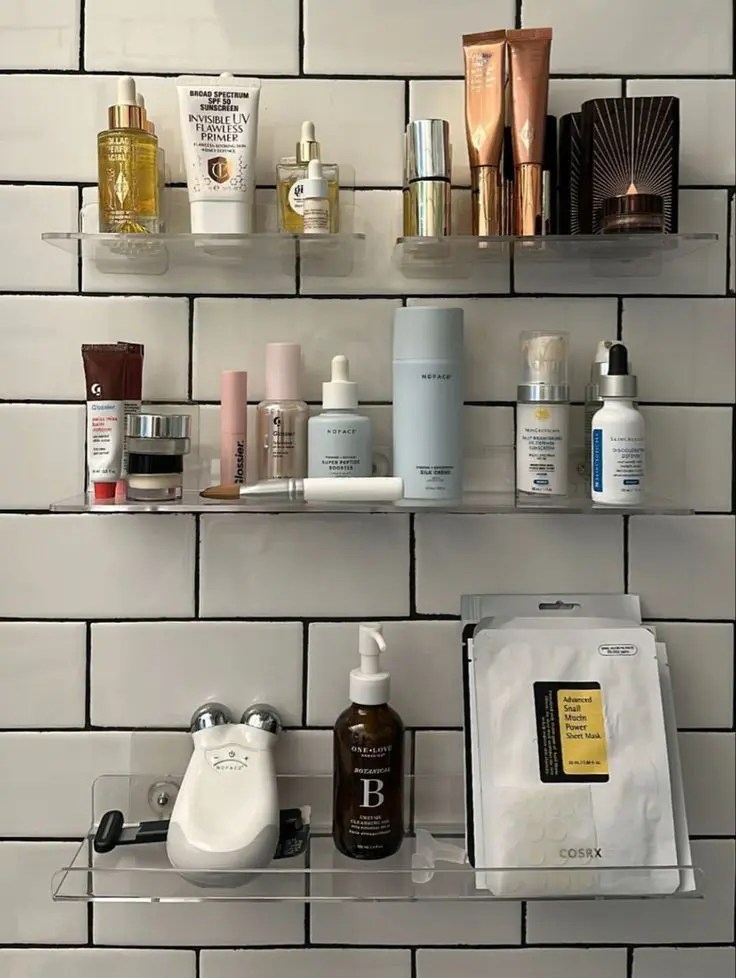
3. Constantly switching products
This is a big one. And we all do it. Frequent product changes prevent the skin and scalp from stabilizing.
Simplified routines that remain consistent allow the barrier to recover, reducing reactivity and unpredictable flare-ups over time. Stability matters more than novelty.

4. Over-exfoliating
Exfoliation is often used far more frequently than the skin can tolerate.
Reducing exfoliation — especially on sensitive or reactive skin — often leads to less redness, less flaking, and a stronger, more comfortable skin surface. Smooth skin is often calm skin.
5. Assuming fragrance is always harmless
Fragrance isn’t inherently bad, but repeated exposure can contribute to low-grade irritation for some people.
When fragrance use is reduced or made more intentional, skin and scalp often feel noticeably quieter and more balanced.
6. Viewing the body as “difficult”
Labeling skin or scalp as problematic often leads to over-management.
When these responses are viewed as signals rather than failures, care naturally becomes gentler — and often more effective.
7. Ignoring the scalp as skin
The scalp is skin, yet it’s often treated as an afterthought.
When scalp care follows the same principles used for facial and body skin — gentle cleansing, minimal disruption, and recovery time — both scalp comfort and hair quality tend to improve.
Healthy hair usually starts with a healthy scalp environment.
Final thought
Calmer skin and scalp rarely come from doing more.
In many cases, improvement begins when unnecessary stress is removed and the body is given space to regulate itself. Healthy self-regulation = the skin knowing when to react and when to calm down.
Ahhhhh, the magic of self regulation. We’ll talk more about this in future articles. It is a big deal.


 Spa By Camille
Leave a comment