

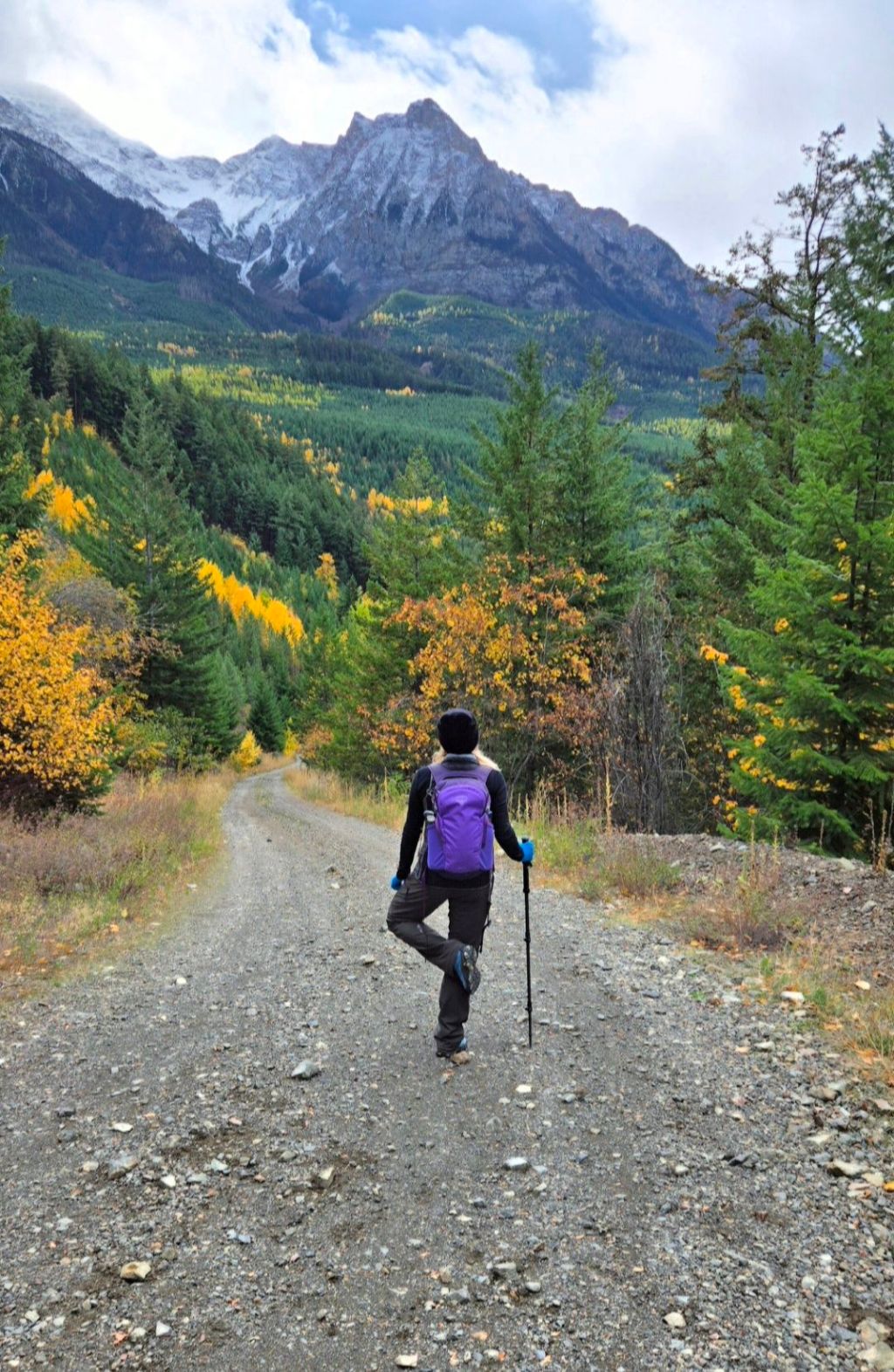
Lillooet is beautiful. We know that.
But tourism is not just about scenery. Its an economic engine.
Visitors stay in our accommodations, eat in our restaurants, buy fuel, shop in our stores, visit attractions and spend money with local businesses. In a small community, those dollars matter.
Across British Columbia, tourism generated $23 billion in revenue in 2024, contributed nearly $8 billion to provincial GDP, and directly supported more than 113,000 jobs. Destination BC
From May through August 2025, the Lillooet Museum & Visitor Centre recorded 7,633 visitors. During the same period in 2026, it recorded 2,839.
That is a decrease of about 63%.
That is a drop in Museum & Visitor Centre visitors, not proof that overall tourism to Lillooet dropped by 63%. The Historical Society also notes that 2026 was affected by unusual circumstances including wildfire and smoke, as well as changes in travel patterns associated with FIFA.
Still, a change that large deserves attention.
TOURISM SUPPORTS MORE THAN TOURISM BUSINESSES
Visitors do not spend money in just one place.
They need somewhere to sleep. Somewhere to eat. Fuel. Groceries. Shopping. Recreation. Maybe a winery, a museum, a local attraction or another night in town.
That spending moves through the community.
Lillooet already has an important advantage: the District itself points to our location at the junction of Highways 99, 12 and 40 as helping bring both commercial and tourist traffic through the community.
The challenge is getting more of that traffic to actually stop.
That includes something as practical as better signage or advertising at the bottom of Station Hill so travellers know what is ahead — Main Street, restaurants, shops, the Museum, local attractions and the rest of town.
People should not arrive at that point, assume there is nothing more to see, turn around or continue on without ever reaching the heart of Lillooet.

The goal is simple:
STOP • SHOP • STAY • EAT • PLAY • AND COME BACK.
THE MUSEUM & VISITOR CENTRE IS OPERATING ON VERY LEAN SUPPORT
The District of Lillooet provided $22,000 in annual operating support to the Museum in 2026.
The Historical Society receives other funding as well, including Destination BC funding for Visitor Centre services, grants, admissions and donations. But the Society specifically notes that many grants are restricted to particular purposes and cannot simply be used to cover normal operating expenses. Lillooet Museum
The Museum & Visitor Centre is responsible for far more than handing out brochures.
It operates the Museum, cares for collections and archives, responds to historical research requests, provides Visitor Centre services, runs heritage programming and works with community organizations on heritage and tourism initiatives.
** $22,000 in District operating support is a bare bones amount for an organization carrying both community heritage and tourism responsibilities.
If we expect these organizations to help bring people into town and keep them here longer, their operating needs are worth discussing openly.
AND THEN THERE’S MIYAZAKI HOUSE
Miyazaki House is another important heritage asset.
The District’s own 2026 Municipal Objectives include grant-related work for Miyazaki House as part of its Downtown Vitalization work. Lillooet
That makes the timeline important. The Miyazaki House has been closed for going on 3 yeas.
A heritage attraction cannot contribute much to the visitor experience while it is unavailable to visitors. If a project involving a public asset takes years, residents should be able to see what work is being done, what it costs, what has delayed it and when the building is expected to be fully usable again.
Let’s make sure important community assets get back into service as efficiently as possible.
WE ALREADY HAVE THE ASSETS
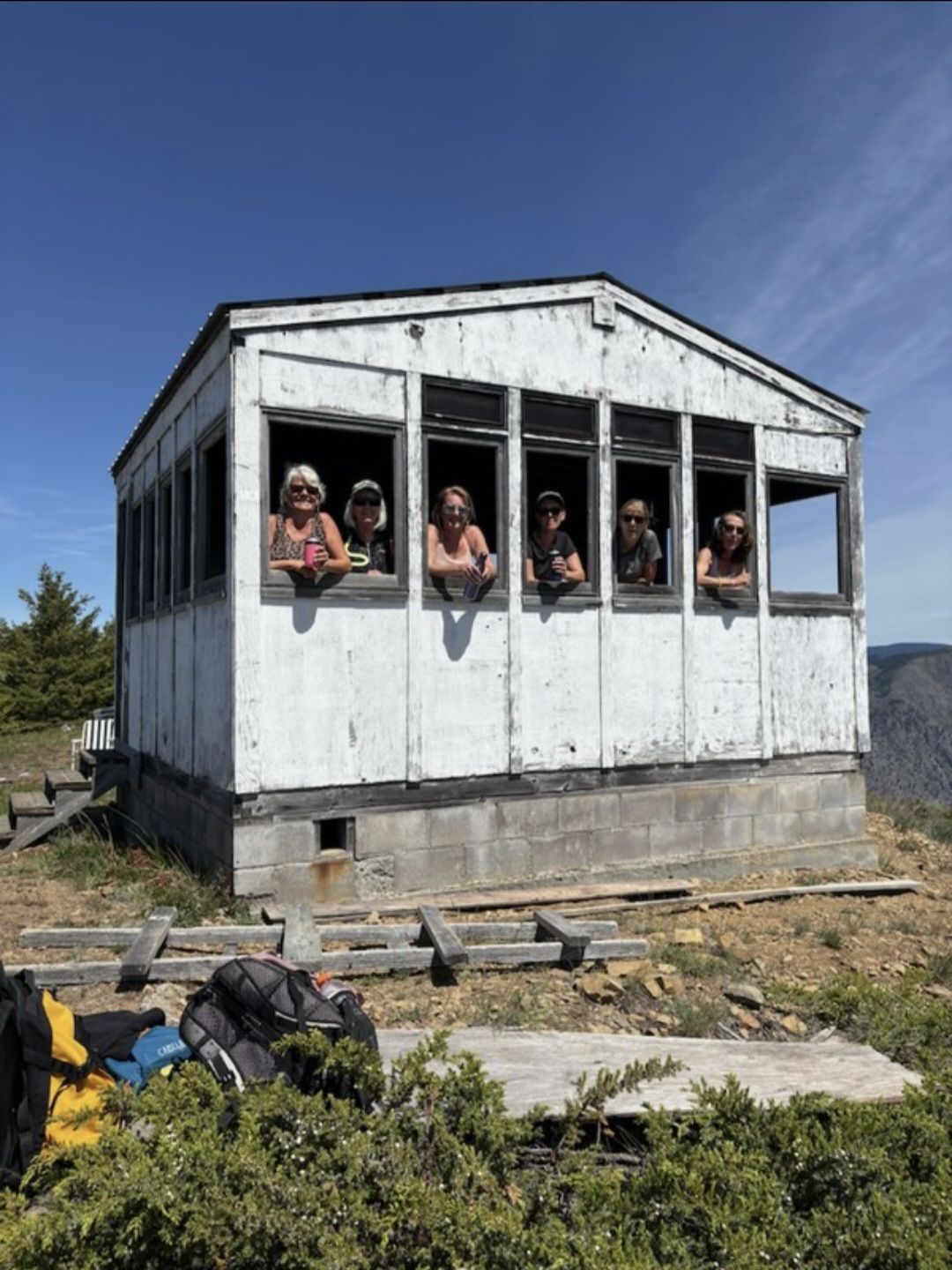
We have extraordinary scenery.
We have history.
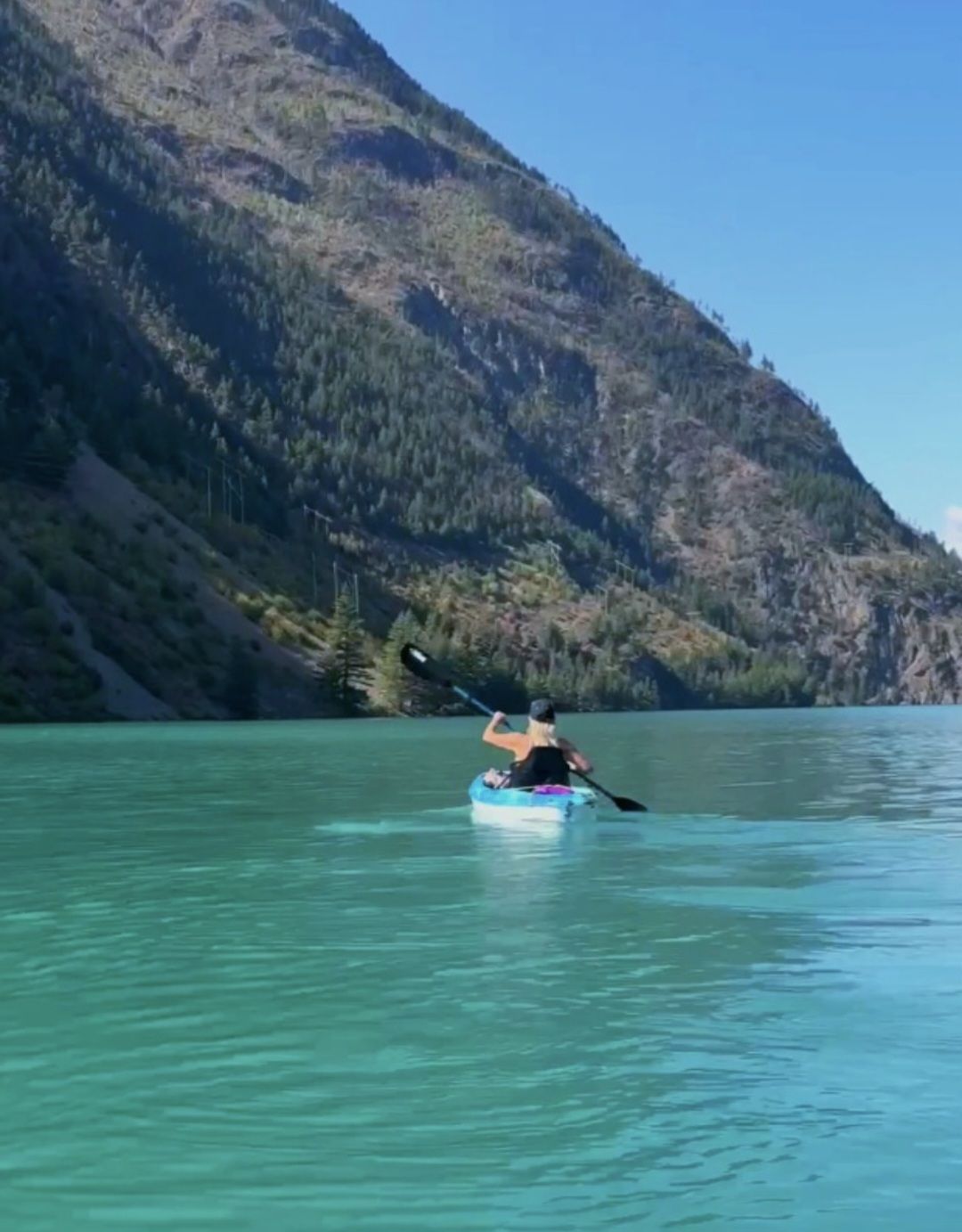
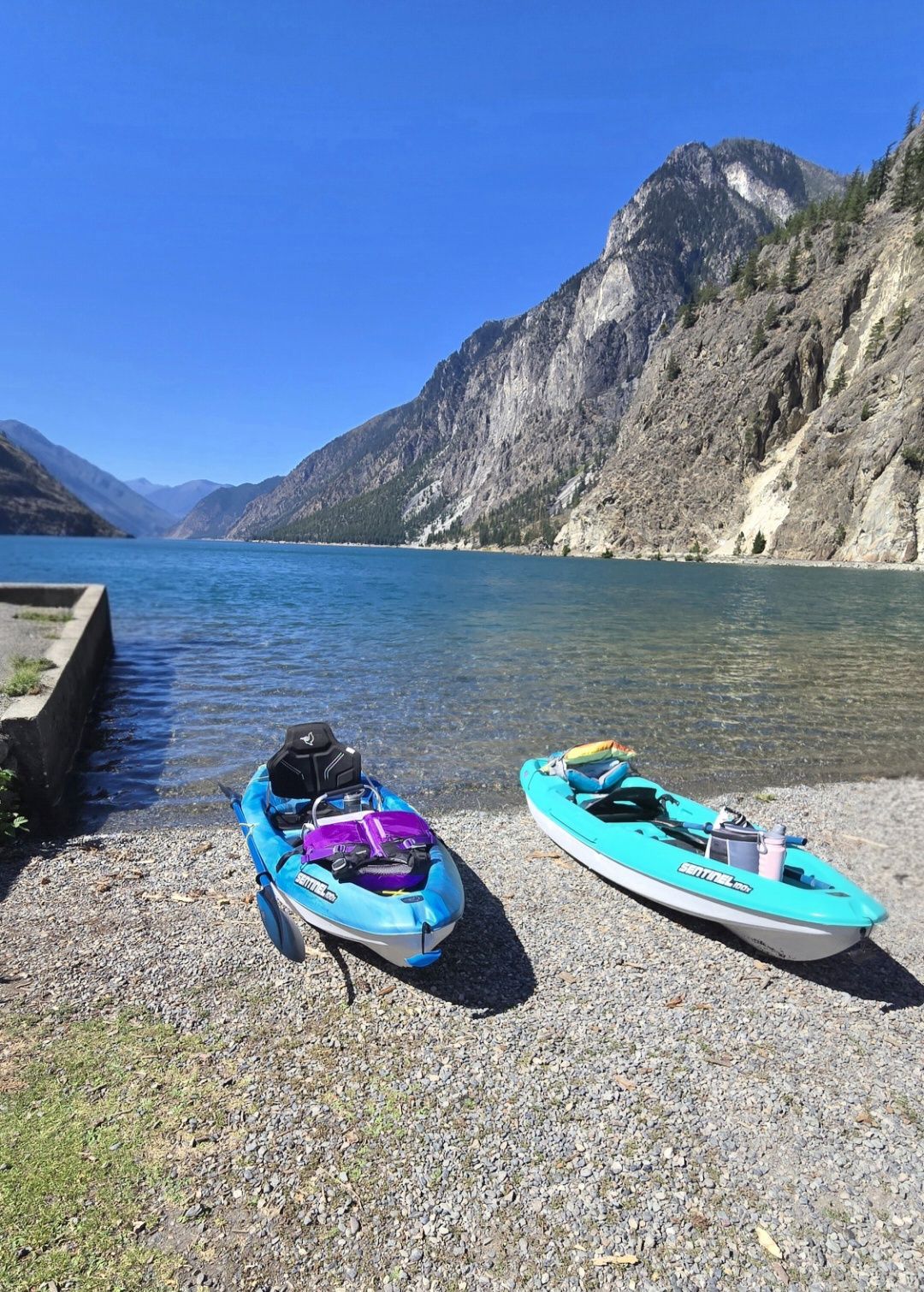
We have outdoor recreation.
We have the BEST weather.
We have the water.
We have the Museum and Visitor Centre.
We have heritage assets.
We have wineries and a brewary.
We have local businesses that benefit when travellers stop instead of simply passing through.
The practical questions are what we do with those advantages: how well we promote the town, how easy we make it for visitors to find downtown, how well we maintain attractions, how we manage and care for our main street, how quickly we complete tourism-related projects, and whether the organizations doing tourism work have the resources to do it sustainably.
Tourism is a valuable economic sector, not just a pretty face.
STOP • SHOP • STAY • EAT • PLAY • AND COME BACK


Leave a comment